


Loneliness is not a small problem, and it is not a private failure. Many successful singles feel it quietly, even while surrounded by people. At MarryClub VIP, we see how this ache shapes the search for a life partner.
Digital companions now promise comfort at any hour. They answer instantly, never judge, and never cancel plans. Yet the science of virtual support is more complicated than the marketing suggests.
Why do digital companions feel so appealing?
A recent synthesis of fifty-one records examined chatbot engagement and dependence (Yan, 2026). Stronger engagement was linked with loneliness, social anxiety, and lower well-being (Yan, 2026). These links were mostly found in cross-sectional studies, so they cannot prove cause (Yan, 2026).
Comfort is easy to mistake for connection. A chatbot can mirror warmth without needing anything back. That one-sided ease is exactly what makes it both soothing and risky.
Short-term studies did find some reductions in loneliness (Yan, 2026). However, the evidence remains limited and mixed (Yan, 2026). A bridge can carry you somewhere, but only if you keep walking.
Does virtual support actually reduce loneliness?
A three-wave study followed about twelve hundred higher vocational college students (Hu, 2026). Waves were roughly eight weeks apart, allowing researchers to track changes over time (Hu, 2026). Perceived chatbot support predicted lower later loneliness, but only for students with strong real-life social support (Hu, 2026).
For students without that real-world foundation, the picture changed. Chatbot support predicted more social interaction anxiety, which then predicted more loneliness (Hu, 2026). The meaning of chatbot support is conditional, not universal (Hu, 2026).
Researchers concluded that chatbot support should be connected to real social networks (Hu, 2026). In other words, virtual comfort works best as a supplement, never a substitute. It cannot carry the full weight of human belonging.
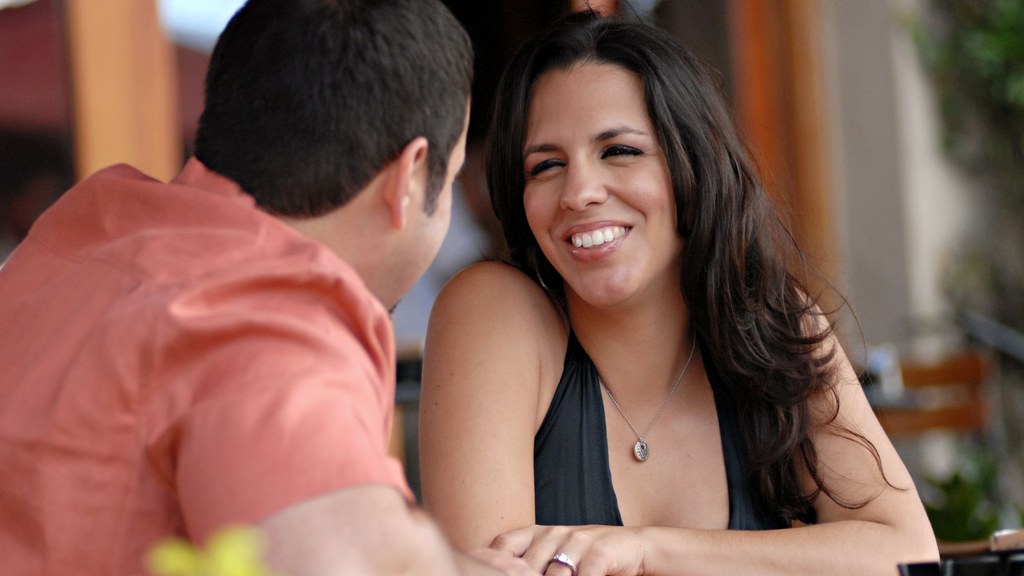
What does this mean for choosing a life partner?
Partner choice is where loneliness becomes a decision, not just a feeling. If a digital companion numbs the ache, the urgency to meet someone real can fade. That delay is the quiet cost of convenient comfort.
Many singles recognise this pattern in themselves. Chatting feels safe, so first dates keep getting postponed. Meanwhile, the loneliness they hoped to solve simply waits.
A life partner is someone who shows up on hard days, not only in quiet late-night hours. No messaging tool can replace that kind of presence. So the real test of a match is the ability to stay in reality together.
Think of a digital companion as a bridge, not a destination. A bridge helps you cross toward real people. A destination keeps you standing still on the same spot.
Use virtual support to steady yourself before a date. Then let the date do the work that only real presence can do. Real partners offer friction, growth, and shared history, which no chat can replicate.
How can singles move from chat to real dates?
Start with one small, concrete step each week. Momentum matters more than perfect timing. Below are practical moves worth trying.
- Set a chat curfew, then message one real person instead.
- Turn one conversation into a coffee date within seven days.
- Ask a friend to check that you actually went.
- Keep a simple log of dates, not chats.
- Choose venues that invite talking, not scrolling.
- Share with a trusted friend what felt hard.
Notice how each step involves another human being. That is deliberate. Loneliness shrinks through contact, not through content.
Expect some awkwardness, and treat it as information. Awkward dates still build social muscle. Avoidance builds nothing except more loneliness.

Can technology and real romance coexist?
Yes, if the roles stay clear. Technology can prepare you, encourage you, and remind you. It should not replace the risk of being truly known.
Keep your digital tools honest and time-limited. Then invest your best hours in people who can show up. That balance protects both your heart and your search.
At MarryClub VIP, the focus is on introductions that lead to real meetings. The aim is to move from screen to table. The goal is always a genuine relationship, not endless conversation.
Another warning sign is secrecy. If you feel embarrassed telling friends how much time you spend with a chatbot, take a second look. Honesty with yourself is the first step toward change.
Friends and family can be allies on this path. Ask them to invite you to new gatherings and introductions. A real social network is exactly what the research treats as the condition for digital support to help (Hu, 2026).
Sometimes it helps to practise conversation skills in real settings first. Group classes, volunteering, and book clubs offer low-pressure ways to meet people. In such places, conversation tends to flow more naturally.
Why doesn’t more chatting cure loneliness?
Loneliness is not a shortage of words; it is a shortage of being seen. People can talk for hours each night and still feel alone. What is missing is someone who builds a shared history with them.
A digital companion asks nothing in return, so it never trains the skill of compromise. Real relationships include disagreement and repair, and that repair strengthens the bond. Without that friction, emotional growth slows down.
The research synthesis linked heavier chatbot dependence with attachment insecurity and lower well-being (Yan, 2026). That link does not prove cause, but it is a serious signal for singles. Anyone searching for a spouse should divide time and energy deliberately.
Frequently asked questions
Is using a chatbot always bad for lonely people?
No, short-term relief is possible for some users (Yan, 2026). The risk grows when virtual contact replaces real relationships entirely.
Why did chatbot support help only some students?
Benefits appeared mainly among students with strong real-life support (Hu, 2026). Without that base, chatbot use predicted more social anxiety and loneliness (Hu, 2026).
How fast should a chat become a real date?
Aim to meet within one week of a promising conversation. Waiting longer usually increases anxiety and reduces follow-through.
What makes MarryClub VIP different from an app?
MarryClub VIP is built around serious, marriage-minded introductions. The focus stays on real meetings, not endless messaging.
Read the Persian version of this article here.
Sources
- Hu J. Perceived support from AI chatbots and loneliness among higher vocational college students: a short-term three-wave study of social interaction anxiety and perceived social support. Front Psychol. 2026;17:1928350. PMID: 42812447. https://doi.org/10.3389/fpsyg.2026.1928350
- Yan D. A critical narrative synthesis of psychological correlates, measurement, and reported findings on conversational AI engagement and dependence-related constructs. Front Psychol. 2026;17:1827795. PMID: 42762047. https://doi.org/10.3389/fpsyg.2026.1827795
#Loneliness #DigitalCompanions #FirstDate #RealConnection #ChoosingAPartner #MarryClubVIP