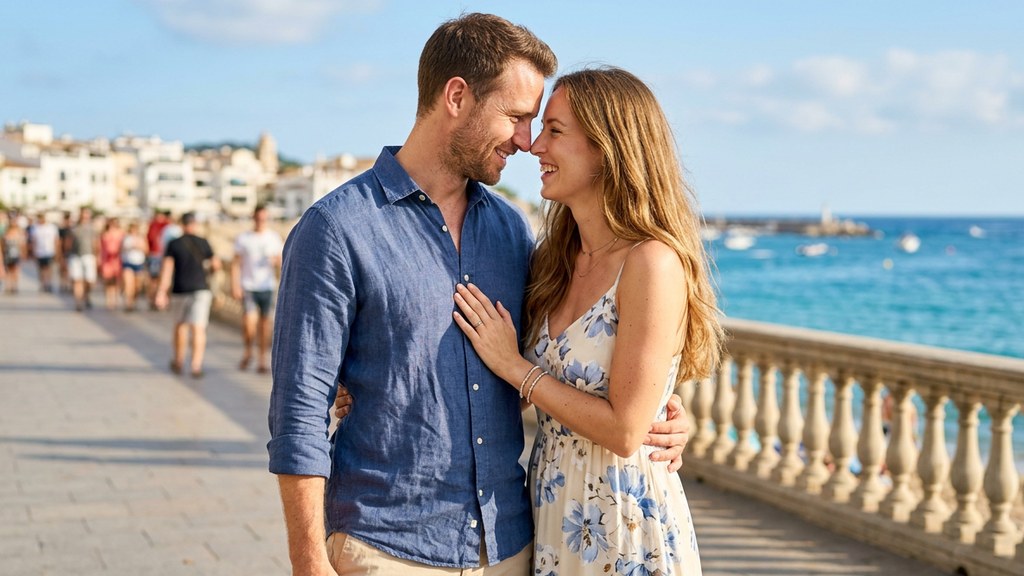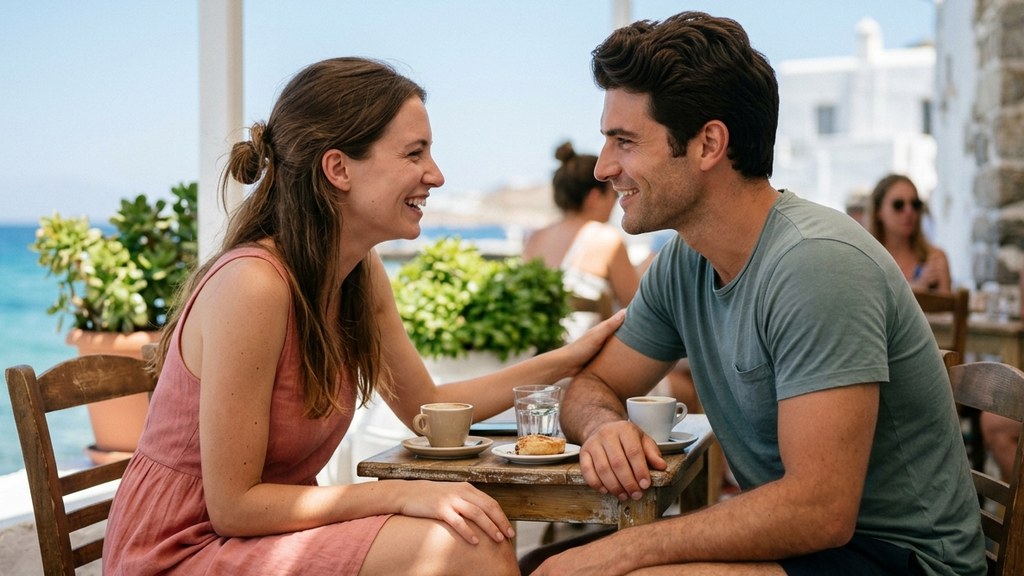

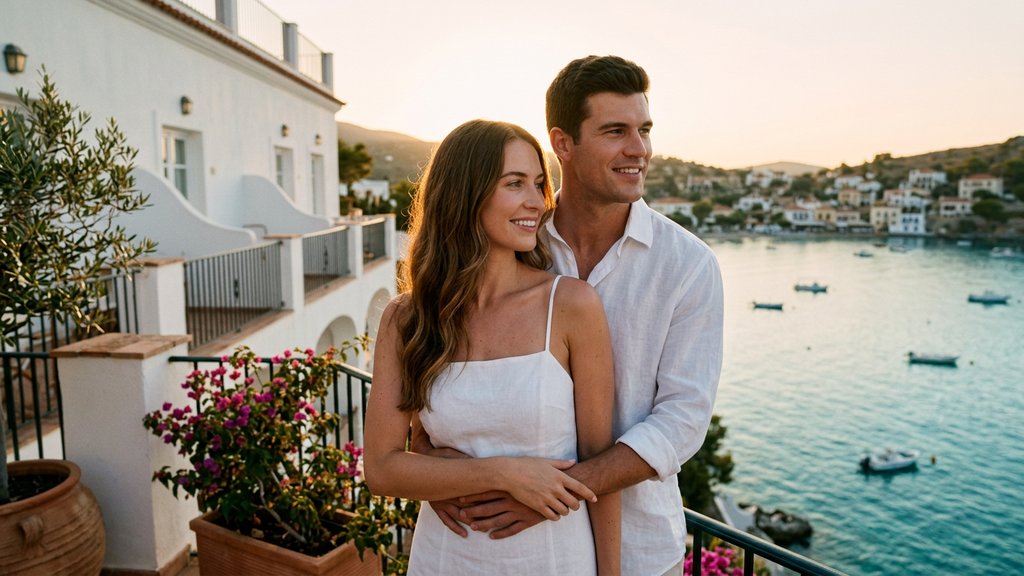
A romantic getaway is often sold as rest, sunshine and good food. Yet for two people who are thinking about marriage, a few days away together can be the most honest test they will take before the wedding. Away from routine, you see how your partner handles novelty, delay, money and closeness. This article explains what relationship science says about shared new experiences, and how to use a trip wisely when you are choosing a life partner.
Why does a romantic getaway feel so different from ordinary dates?
Ordinary dates repeat a familiar script. You meet at the same café, talk about the same week and go home. A trip breaks that script. New streets, a new language and new food force both of you to adapt in real time.
Psychologists describe this through the self-expansion model. People are motivated to grow, to gain new skills, perspectives and identities. Early in a relationship, the partner is the main source of that growth, because everything about them is new. Over time, the partner becomes familiar, and the excitement slows down.
A well-planned getaway reintroduces novelty, but now the novelty is attached to the relationship itself. The pleasure of discovering a harbour town or a hidden restaurant becomes linked, in memory, with the person beside you.
What does the research on shared novelty actually show?
Arthur Aron and Jennifer Tomlinson recently reviewed this field (Aron and Tomlinson, 2026). They argue that relationships can become dull once the partner is fully included in the self. Their main proposal is simple: doing novel and challenging activities together reinvigorates the bond.
The review summarises experiments, daily diary studies and other designs. Across them, shared self-expanding activities were linked with higher relationship quality. The authors also connect stronger relationships with better personal well-being, which matters for anyone planning a long marriage.
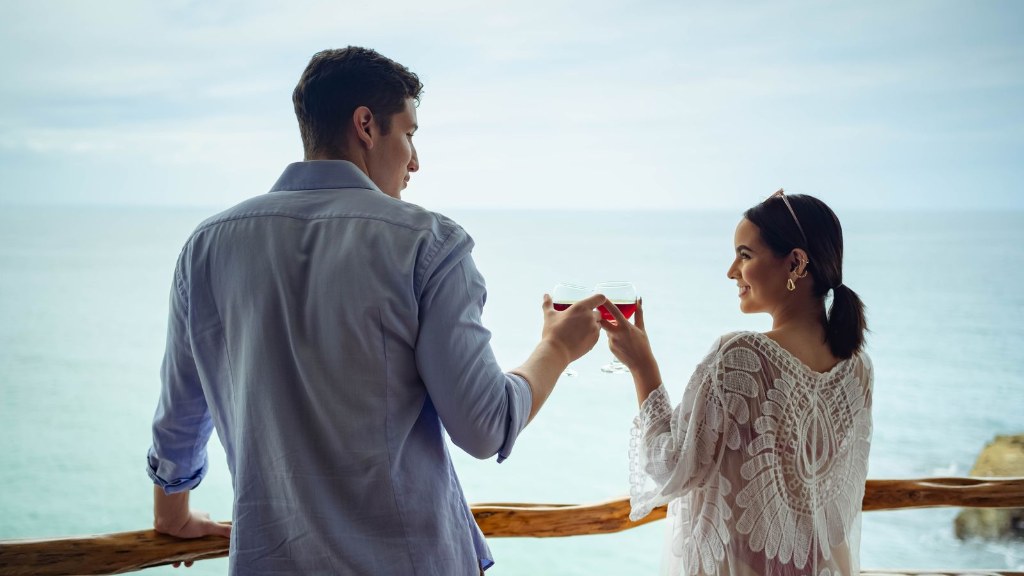
Not every kind of novelty works equally well. Rhonda Balzarini and colleagues tested whether exciting activities in virtual reality could replace real shared experiences (Balzarini et al., 2025). Their first study included 183 couples.
Couples in virtual reality felt more present with each other and less bored than couples on video. However, the virtual setting did not clearly raise self-expansion or relationship satisfaction on its own. Those who felt more present still reported more closeness and less boredom.
The authors concluded that virtual interactions may promote self-expansion less than in-person interaction. In plain terms, being physically together in a new place still matters. A screen can help long-distance couples, but it is not a full substitute for a real trip.
What does this mean when choosing a life partner?
For singles and engaged couples, a romantic getaway is valuable for a second reason. It shows behaviour that a dinner date hides. Travel adds small frustrations: a missed train, a crowded beach, a disappointing hotel room.
Watch how your partner responds to these moments. Do they blame you, the staff or the world? Or do they solve the problem, joke about it and move on? This is a preview of how they will handle a sick child or a lost job.
Notice how decisions are made. One partner may plan every hour while the other prefers to wander. Neither style is wrong, but the way you negotiate the difference predicts much about married life.
Money is another quiet test. Splitting bills, choosing a hotel and deciding on a splurge reveal values that couples rarely discuss openly. If you feel judged or pressured on a short trip, take that seriously.
Finally, pay attention to closeness. Some people relax and become more affectionate when they are away. Others withdraw, check their phone constantly or seek time alone. Both partners deserve a life companion whose rhythm of intimacy fits their own.
How should you plan a romantic getaway before marriage?
Good planning keeps the focus on discovery rather than logistics. These practical steps come from the self-expansion idea and from common sense.
- Choose at least one activity that is new to both of you, such as a cooking class, a boat trip or a hike to a viewpoint.
- Agree on a budget before you book, and decide together how you will share costs.
- Leave free time in the schedule, so curiosity rather than the itinerary can lead you.
- Put phones away during meals and evening walks, and talk about hopes rather than chores.
- On the way home, ask each other what you learned about the relationship.

Which kinds of places suit each stage of a relationship?
Europe offers many settings for couples, from spa hotels to small cabins under the stars. The best choice depends less on fame and more on what your relationship needs right now.
Couples in the early stage often benefit from lively old towns. Markets, museums and street food give you endless topics and gentle challenges. Couples who are already serious may prefer a coastal village, where long walks invite deeper conversations about the future.
Couples who feel stuck in routine can choose something active, such as a mountain lake or a sailing day. Mild physical challenge creates the kind of shared excitement that the research describes. Whatever you choose, the companion matters more than the destination.
Frequently asked questions
Is it too early to travel together before engagement?
A short weekend trip is reasonable once you trust each other and feel safe. It gives realistic information about compatibility without the pressure of a long holiday.
Does a romantic getaway fix a struggling relationship?
No trip can repair deep problems on its own. Shared novelty can renew interest and closeness, but serious conflicts need honest conversation and sometimes professional help.
Can we get the same benefit without travelling?
Partly. Any new and challenging activity done together, such as a dance class at home, can create self-expansion. Research suggests that being physically together still adds something a screen cannot.
What is the biggest warning sign during a trip?
Repeated contempt is the clearest red flag. Mocking, blaming or humiliating you when plans go wrong deserves serious attention before any long-term commitment.
Read this article in Persian: سفر عاشقانه؛ آنچه یک سفر دربارهٔ همسر آینده میگوید
Sources
- Aron A, Tomlinson JM. Self-Expansion Activities with a Partner as One Path to Well-Being. Behav Sci (Basel). 2026;16(5). PMID: 42193579. doi:10.3390/bs16050700
- Balzarini RN, Sharma A, Muise A. Virtually Connected: Do Shared Novel Activities in Virtual Reality Enhance Self-Expansion and Relationship Quality? Behav Sci (Basel). 2025;15(1). PMID: 39851871. doi:10.3390/bs15010067
#RomanticGetaway #CouplesTravel #SelfExpansion #ChoosingAPartner #MarryClub